
Environmental Impact
← SEE ALL POSTSA CONSCIOUS CHOICE, A LIGHTER FOOTPRINT
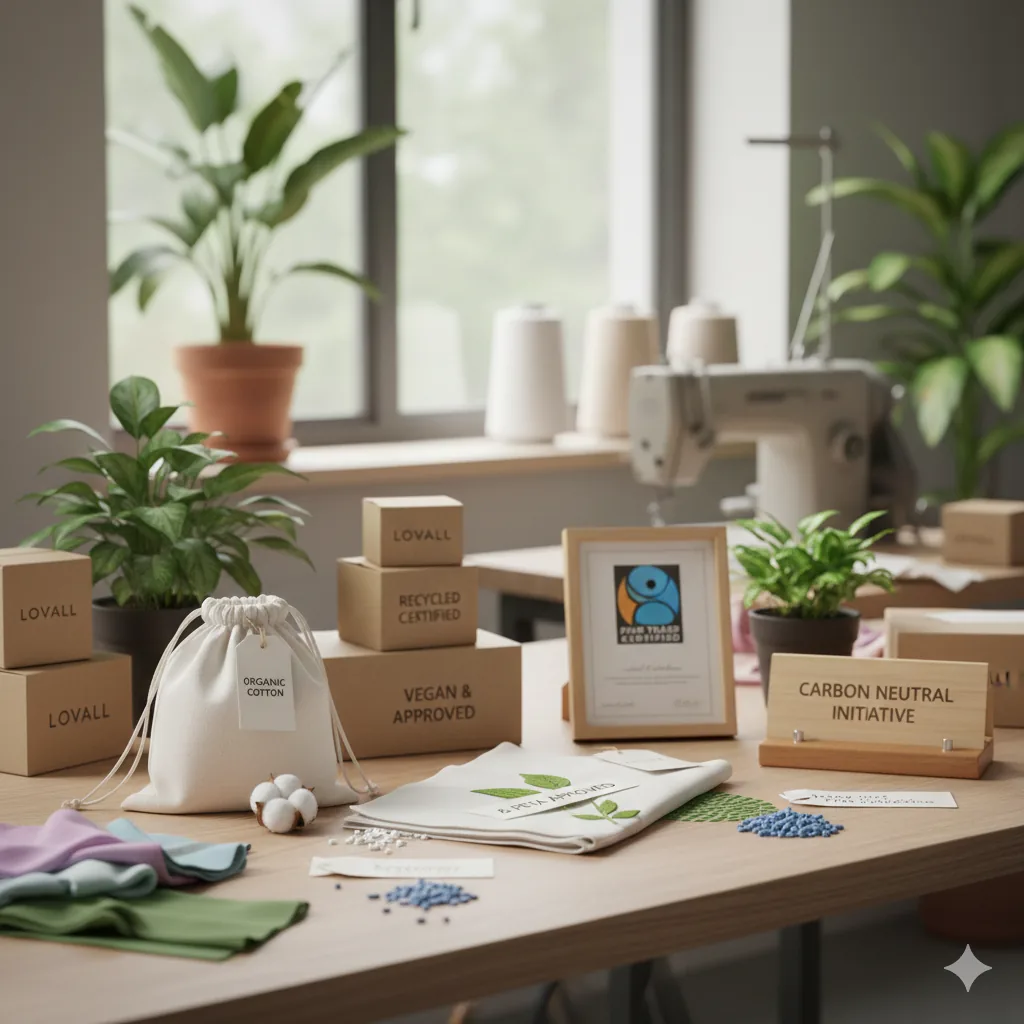
In an industry known for its fast pace and vast scale, the environmental cost of fashion has become a critical conversation. At LOVALL, we believe that true luxury is not just about exquisite design, but about making a positive impact.
Our commitment is to redefine elegance by creating beautiful footwear that honors our planet, proving that style and sustainability can and must coexist.
The Traditional Model: A Legacy of Excess
- Overproduction & Waste: Billions of square meters of fabric are discarded annually as surplus or off-cuts. These high-quality materials, often referred to as "deadstock," end up in landfills, representing a colossal waste of resources.
- High Water & Energy Consumption: The creation of new textiles is an intensive process, demanding vast amounts of water, energy, and chemical treatments, contributing to pollution and resource depletion.
- Carbon Footprint: From raw material extraction to global shipping, the traditional supply chain generates a substantial carbon footprint, accelerating climate change.
| Feature | Traditional Production | LOVALL's Model |
|---|---|---|
| Material Sourcing | New Raw Materials | Existing Remain Materials |
| Waste Generation | High (Deadstock & Off-cuts) | Near-Zero (Upcycling) |
| Water & Energy Use | Extremely High | Drastically Reduced |
| Carbon Footprint | Significant | Minimized |
| Product Exclusivity | Mass-Produced | Naturally Limited & Unique |
Material Sourcing
Traditional Production: New Raw Materials
LOVALL's Model: Existing Remain Materials
Waste Generation
Traditional Production: High (Deadstock & Off-cuts)
LOVALL's Model: Near-Zero (Upcycling)
Water & Energy Use
Traditional Production: Extremely High
LOVALL's Model: Drastically Reduced
Carbon Footprint
Traditional Production: Significant
LOVALL's Model: Minimized
Product Exclusivity
Traditional Production: Mass-Produced
LOVALL's Model: Naturally Limited & Unique
The Tale of Two Production Models
To understand the LOVALL difference, it's essential to compare our conscious approach with the traditional fashion production model. The contrast reveals a story of waste versus purpose, and excess versus exclusivity.
The LOVALL Model: A Paradigm of Purpose
- By sourcing Remain Materials—untouched, high-quality leftovers from other productions—we create a positive ripple effect:
- We rescue valuable resources from waste streams, giving them new life and purpose.
- We drastically reduce the need for new raw material production, conserving water, energy, and reducing pollution.
- We minimize our carbon footprint by working with materials that already exist, eliminating extraction and initial processing stages.
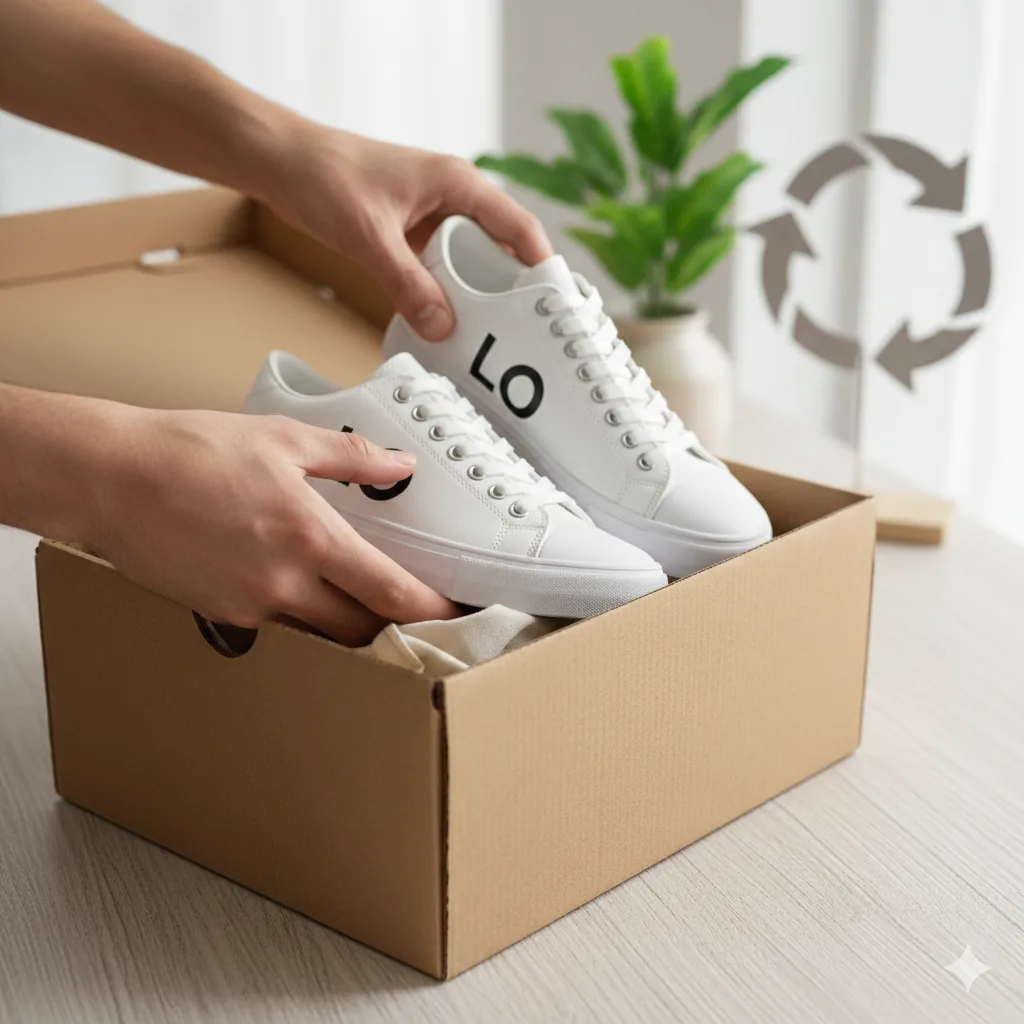
Environmental responsibility and luxury are not mutually exclusive
By choosing LOVALL, you are not just acquiring a pair of beautifully crafted shoes; you are supporting a new standard of production. Our model proves that environmental responsibility and luxury are not mutually exclusive. We are leading a movement that transforms the concept of waste into an opportunity for innovation, creating timeless pieces that are as kind to the earth as they are elegant.
A New Standard of Production
By choosing LOVALL, you are not just acquiring a pair of beautifully crafted shoes; you are supporting a new standard of production. Our model proves that environmental responsibility and luxury are not mutually exclusive. We are leading a movement that transforms the concept of waste into an opportunity for innovation, creating timeless pieces that are as kind to the earth as they are elegant.
Join the Change
Be part of a fashion future where every choice matters. Discover how LOVALL's commitment to a lighter footprint is setting a new precedent for luxury.
Explore Our Sustainable Collections